If the World Cup 2026 format feels confusing compared to past tournaments, that is because it is genuinely different. This article explains the World Cup 2026 group stage format in plain terms: how groups work, who qualifies for the knockout rounds, and what happens when teams finish level on points. For the full team breakdown by group, see our complete tournament guide.
QUICK ANSWER: The World Cup 2026 group stage consists of 12 groups of four teams, each playing three matches. The top two teams from every group qualify automatically for the Round of 32, joined by the eight best third-placed teams across all 12 groups, ranked by points, goal difference, and goals scored.
Why the Format Changed for 2026
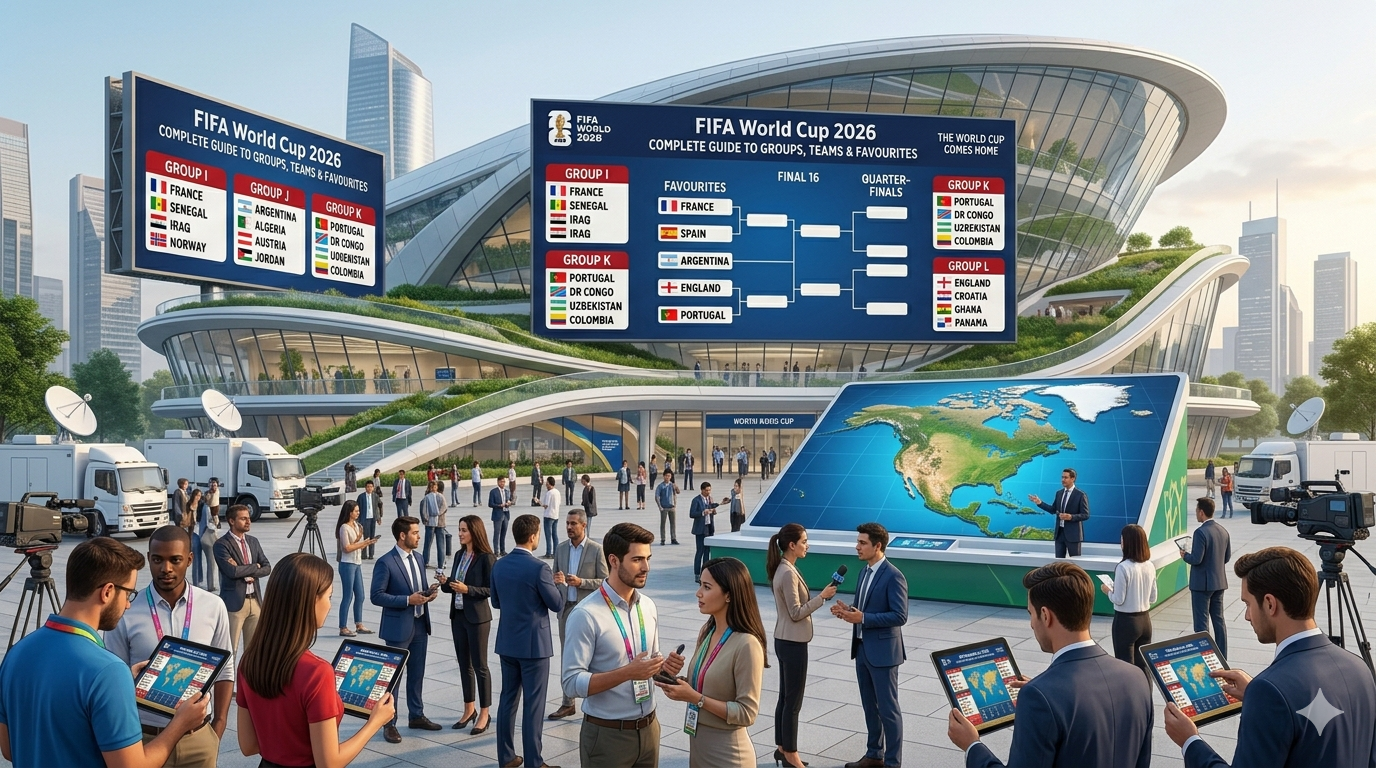
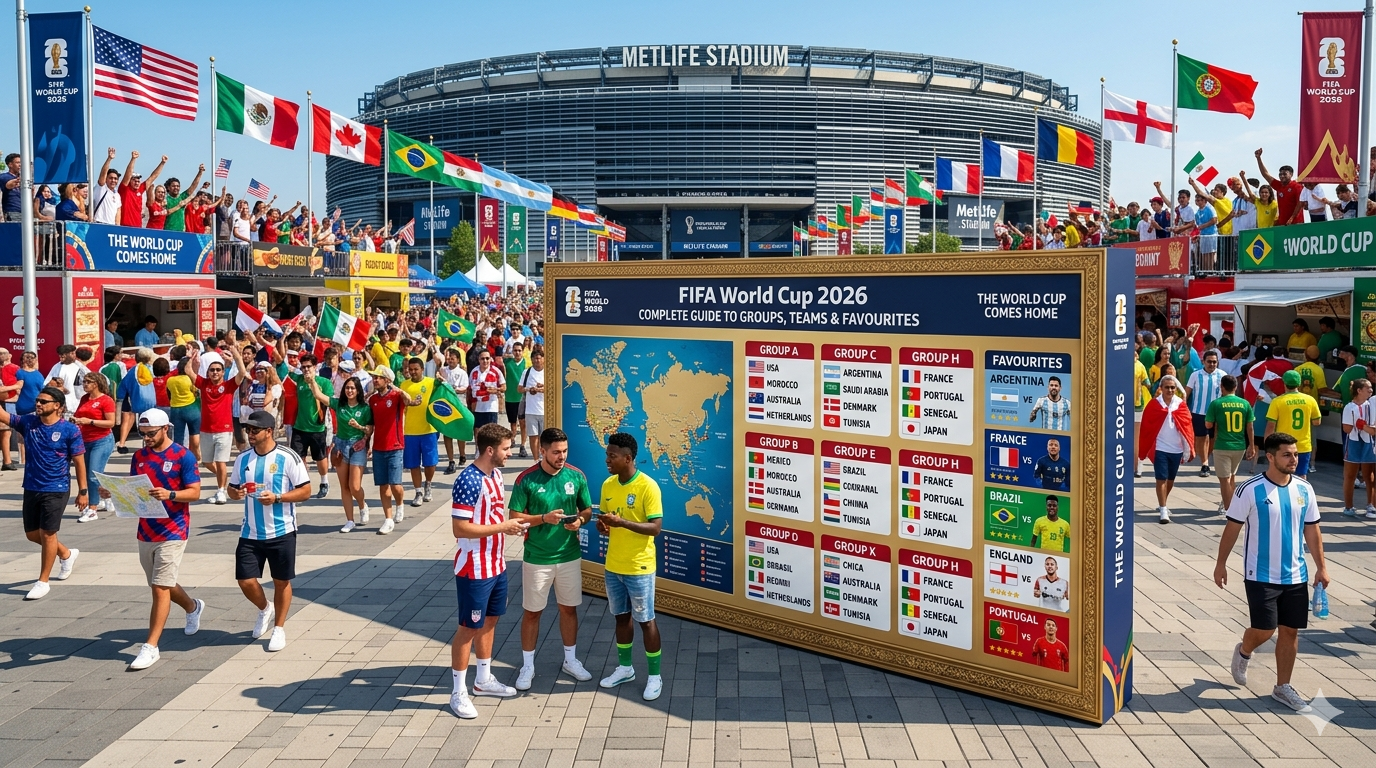
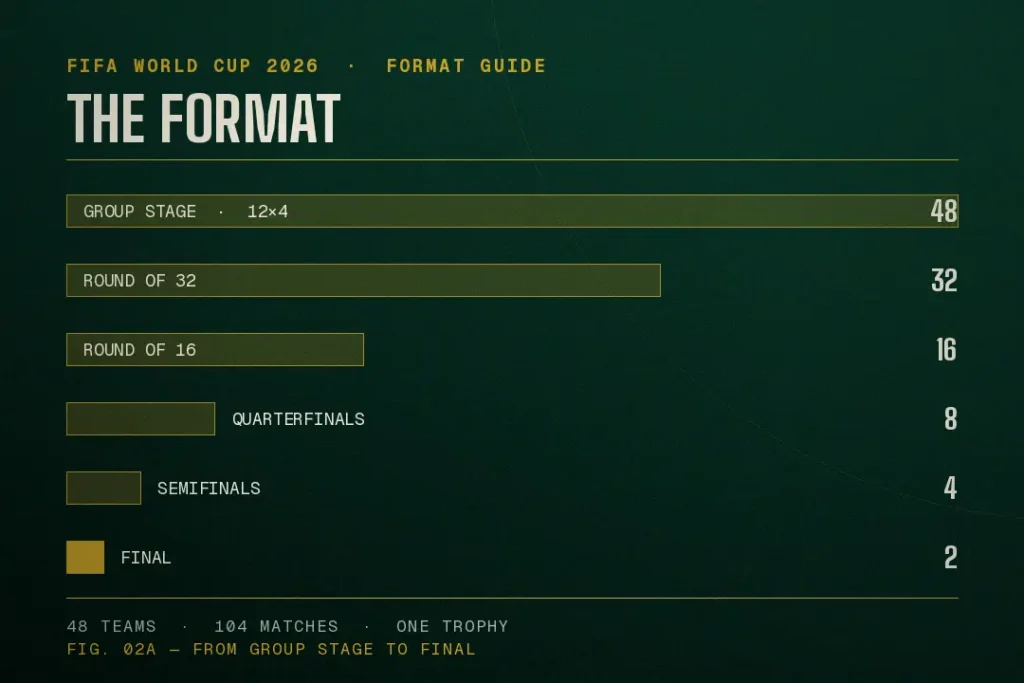
The 2026 World Cup expanded to 48 teams from 32 in 2022. For the group stage, those teams are divided into 12 groups of four. The top two teams from each group, plus the eight best third-placed teams, proceed to a new Round of 32. Every match from that point onward is played as a single-elimination knockout.
This is the single biggest structural change in modern World Cup history. Previously, finishing third in your group meant going home. In 2026, it might just mean a tougher draw.
How the Group Stage Works
Each of the 12 groups plays a standard round-robin: every team faces the other three in its group once, for a total of three group matches per team. Points are awarded the usual way — three for a win, one for a draw, none for a loss.
After all three rounds are complete in every group, two things happen at the same time:
- The top two teams in each group advance automatically — that is 24 teams secured
- The eight best third-placed teams across all 12 groups, ranked against each other, take the remaining Round of 32 spots
That means 12 third-placed teams compete for only 8 available spots, and four of them go home regardless of how well they actually played in their own group. This format change is exactly why a few mid-tier teams have a real shot at progressing — we look at the strongest candidates in our dark horse teams article.
How Are Third-Placed Teams Ranked Against Each Other?
This is where it gets technical. Since 12 different third-place teams come from 12 different groups, each with different opponents, FIFA uses a standard set of tiebreakers to rank them:
- Points earned in the group stage (highest first)
- Goal difference (goals scored minus goals conceded)
- Goals scored (total across all three group matches)
- Disciplinary points (fewer yellow and red cards is better)
- Drawing of lots if all else fails
This means a third-placed team in a weaker group with a big win margin can leapfrog a third-placed team from a tougher group that lost narrowly. Group difficulty is not directly factored in. Only the raw results.
What Happens After the Round of 32?
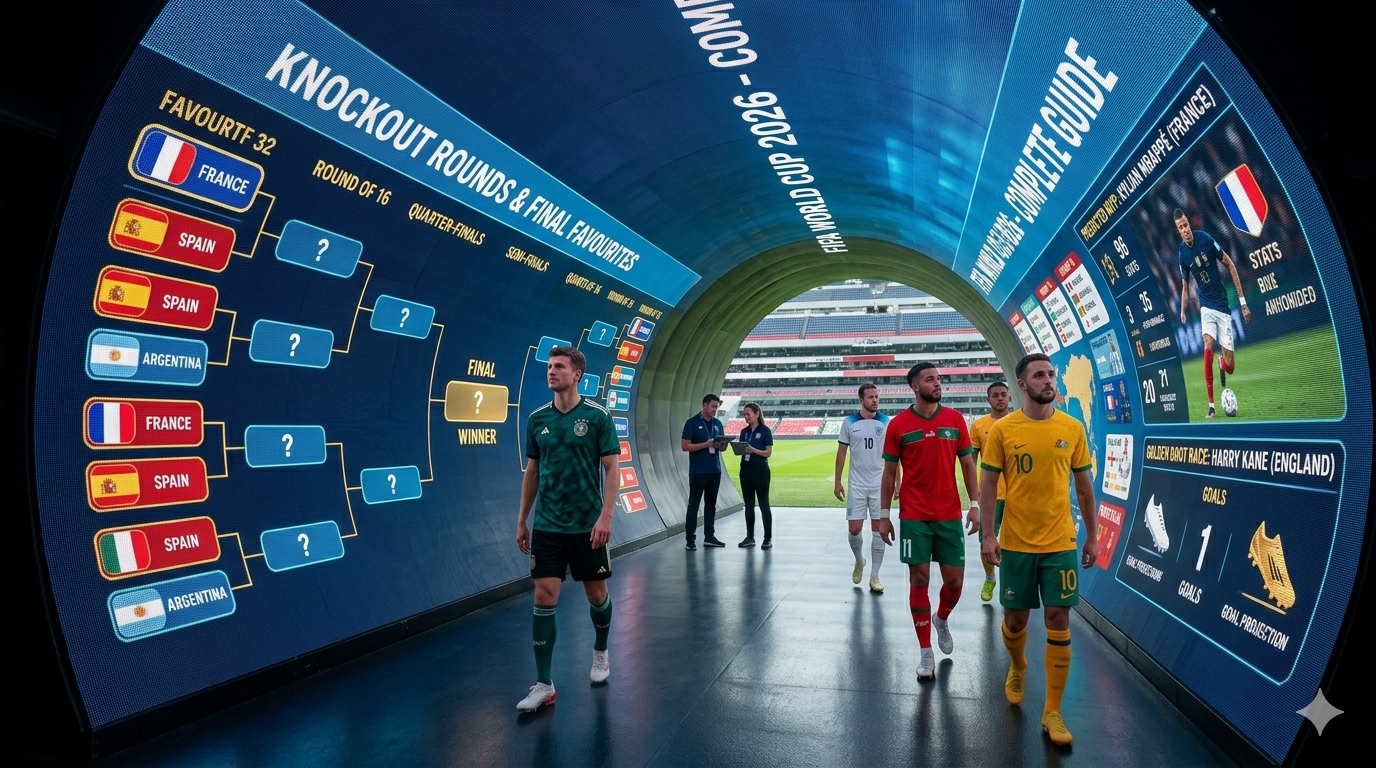
Once the 32 qualified teams are set, the tournament becomes a straightforward single-elimination knockout, just like previous World Cups:
- Round of 32 → Round of 16
- Round of 16 → Quarterfinals
- Quarterfinals → Semifinals
- Semifinals → Final (plus third-place playoff)
In total, the 2026 tournament stages 104 matches, up from 64 in the 2022 edition. A direct result of adding both more group-stage teams and the extra knockout round. The official knockout bracket structure is detailed on the FIFA tournament page.
Why This Format Matters for Predictions
The expanded format rewards a different kind of team than before. With 48 teams and an additional knockout round, well-organised teams without superstar talent now have a more realistic structure to progress further than in previous, smaller-field tournaments.
In practical terms: a team that plays for a 0-0 draw in a tough group, then narrowly beats a weaker side, can realistically finish third — and still make the knockouts. That changes how national teams approach must-win versus must-not-lose matches, especially in the final group game.
How This Affects Bracket Predictions
Because the Round of 32 draw depends partly on which third-placed teams qualify — not just which groups they come from — bracket predictions before the group stage finishes are genuinely uncertain in a way they were not with the old 32-team format.
The safest predictions focus on group winners and runners-up, since those 24 spots are determined purely by group position rather than cross-group comparison. If you are following from the Philippines, our SIM and data plan guide covers streaming through the whole tournament.
Frequently Asked Questions
How many teams qualify from the World Cup 2026 group stage?
32 teams qualify for the Round of 32: the top two finishers from each of the 12 groups (24 teams total), plus the 8 best third-placed teams across all groups, ranked by points, goal difference, and goals scored.
What happens if two teams are tied on points, goal difference, and goals scored?
If teams remain tied after points, goal difference, and goals scored, FIFA uses disciplinary records (fewer yellow and red cards ranks higher) as the next tiebreaker, with a drawing of lots as the final resort in extremely rare cases.
Is finishing third in your group still a World Cup elimination?
Not necessarily. In the new 2026 format, the eight best third-placed teams across all 12 groups advance to the Round of 32, meaning a strong third-place finish can still lead to a knockout-stage spot.
How many total matches are played at World Cup 2026?
104 matches are played across the entire tournament, up from 64 in 2022. This includes the expanded group stage with 12 groups plus the new Round of 32 knockout round.
Why can’t I predict the full bracket before the group stage ends?
Because 8 of the 32 Round of 32 spots depend on cross-group comparisons of third-placed teams, not just which groups finish where. Only the 24 group winners and runners-up are determined purely by their own group’s results.